• Welcome to your new Gnomio site

    Now, you are in control!

    Moodle is an open-source Learning Management System (LMS) that provides educators with the tools and features to create and manage online courses. It allows educators to organize course materials, create quizzes and assignments, host discussion forums, and track student progress. Moodle is highly flexible and can be customized to meet the specific needs of different institutions and learning environments.

    Moodle supports both synchronous and asynchronous learning environments, enabling educators to host live webinars, video conferences, and chat sessions, as well as providing a variety of tools that support self-paced learning, including videos, interactive quizzes, and discussion forums. The platform also integrates with other tools and systems, such as Google Apps and plagiarism detection software, to provide a seamless learning experience.

    Moodle is widely used in educational institutions, including universities, K-12 schools, and corporate training programs. It is well-suited to online and blended learning environments and distance education programs. Additionally, Moodle's accessibility features make it a popular choice for learners with disabilities, ensuring that courses are inclusive and accessible to all learners.

    The Moodle community is an active group of users, developers, and educators who contribute to the platform's development and improvement. The community provides support, resources, and documentation for users, as well as a forum for sharing ideas and best practices. Moodle releases regular updates and improvements, ensuring that the platform remains up-to-date with the latest technologies and best practices.

    Links of interest:

    (You can edit or remove this text)

Available courses

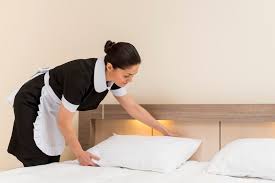
housekeeping course is a training program designed to equip individuals with the essential skills and knowledge needed to maintain cleanliness, order, and hygiene in various environments, such as hotels, resorts, private residences, and corporate offices. 
The curriculum typically goes beyond basic cleaning and covers professional standards and management techniques. 
 
Key Learning Outcomes
Participants in a housekeeping course will generally learn:
  • Cleaning Techniques & Procedures: Step-by-step methods for cleaning different areas, including guest rooms, bathrooms, and public spaces, using appropriate tools and chemicals.
  • Health and Safety: Protocols for using personal protective equipment (PPE), handling biohazards, managing chemical safety, and preventing slips, trips, and falls.
  • Time Management: Strategies for prioritizing tasks, planning work routes, and managing time efficiently to meet deadlines, particularly during high-turnover periods in hotels.
  • Laundry and Linen Management: Best practices for sorting, washing, drying, ironing, and storing linens, towels, and uniforms, including stain removal techniques and inventory control.
  • Guest Services and Communication: Professional etiquette for interacting with guests, handling special requests or complaints politely, and respecting guest privacy and security.
  • Inventory and Stock Control: How to manage and track cleaning supplies, amenities, and equipment to ensure adequate stock levels while controlling costs.
  • Quality Assurance: The use of checklists and inspection methods to ensure that all areas meet required standards of cleanliness and presentation. 
 
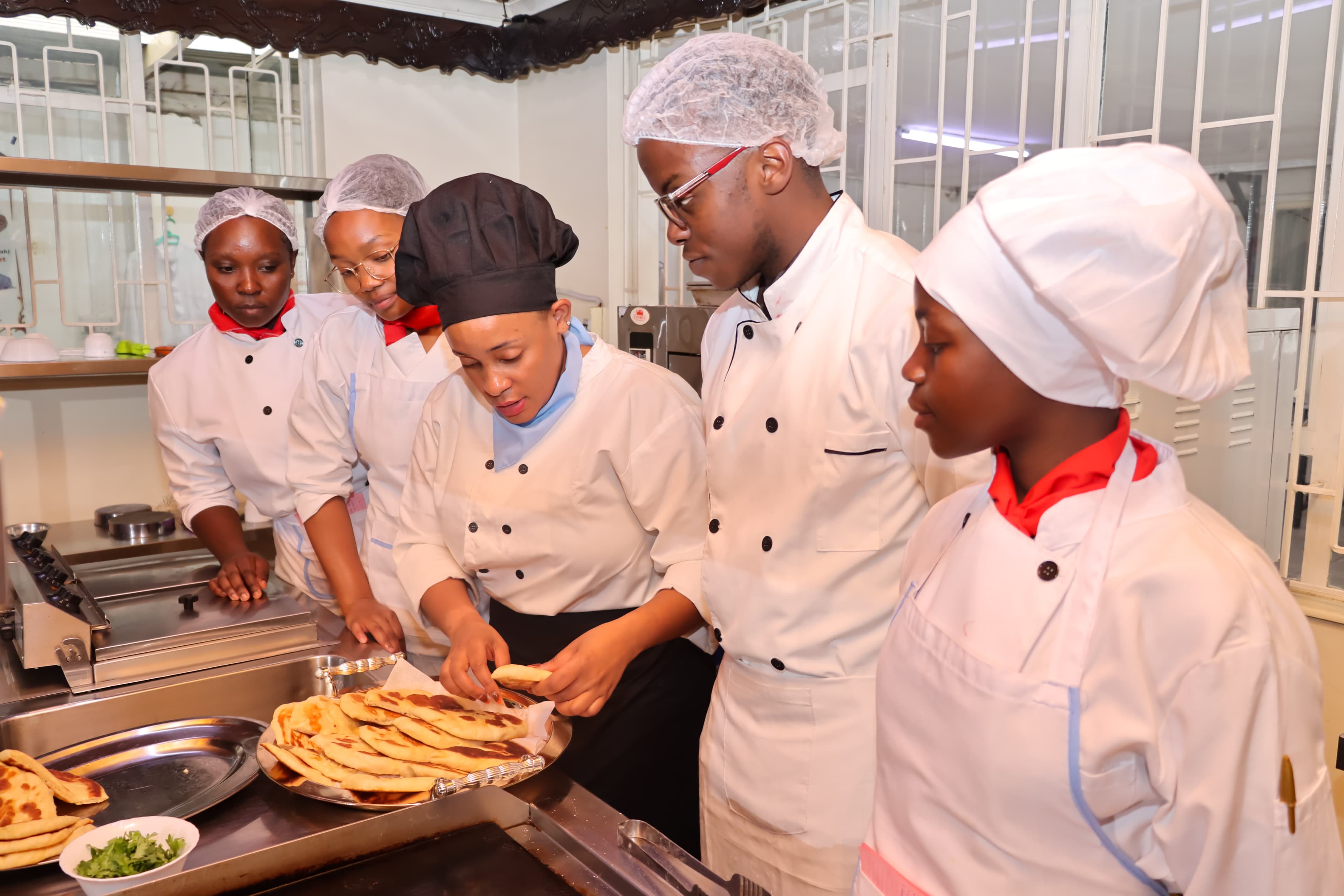
cake making course is a training program designed to teach individuals the skills and knowledge required to bake a variety of cakes and, often, decorate them professionally. These courses range from beginner-level home baking classes to advanced diplomas for aspiring pastry chefs or bakery owners. 
 
Key Learning Outcomes
Participants typically learn a combination of theoretical and hands-on skills: 
  • Ingredient Knowledge: Understanding the function of ingredients like flour, sugar, fats, and leavening agents and how they affect texture and structure.
  • Baking Techniques: Mastering various mixing methods (creaming, all-in-one, sponge, chiffon), oven management, and temperature control for consistent results.
  • Recipes: Step-by-step instruction on how to make a range of cakes, such as pound cakes, sponge cakes, fruit cakes, and specialty items like muffins and cupcakes.
  • Icing and Fillings: Preparation and application of different fillings and icings, including buttercream, ganache, royal icing, and fondant.
  • Decoration Skills: Techniques for decorating cakes for various occasions, including piping, creating fondant decorations, and assembling tiered wedding cakes.
  • Troubleshooting: Identifying and fixing common baking faults (e.g., sinking centers, dry crumb, uneven rise).
  • Food Safety: Best practices for hygiene, sanitation, and safety procedures in the kitchen. 

A beginner hospitality course introduces students to the fundamentals of the hospitality and tourism industry, including its key sectors, career paths, and current trends.

Its purpose:

  • Purpose: To provide foundational knowledge of the hospitality and tourism industry.
  • Target Audience: Beginners with little or no prior experience in hospitality.
  • Delivery: Often self-paced, online or in-person, with video lessons, quizzes, and interactive modules.